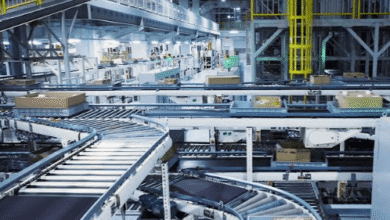
Technology is advancing smart logistics through continuous sensing, real-time visibility, and predictive analytics. Data fabrics unify streams from sensors, devices, and gateways, enabling proactive dashboards and fast anomaly alerts. Automation and AI optimize routes, replenishment, and warehouse operations, while strict data governance and security ensure trustworthy flows. Human–machine collaboration remains essential for high-stakes decisions. As global compliance and cross-border governance evolve, the next frontier emerges where resilience and efficiency meet strategic precedence.
Why Tech Is Transforming Smart Logistics
Technology is increasingly redefining how goods move, track, and arrive, enabling more accurate planning, faster execution, and seamless visibility across the supply chain.
Tech enables autonomous routing, data-driven decisions, and agile partnerships, empowering organizations to scale responsibly.
Global sustainability and cross border compliance emerge as core capabilities, guiding streamlined operations, risk mitigation, and transparent governance while preserving freedom to innovate and compete globally with confidence.
Real-Time Tracking and Visibility: From Pings to Predictive Insights
Real-Time Tracking and Visibility has evolved from basic location pings to a forward-looking framework that merges continuous sensing with predictive analytics. It emphasizes low tracking latency and seamless wireless telemetry, feeding predictive dashboards that illuminate patterns before disruptions. Anomaly alerting enables rapid responses, while a cohesive data fabric supports resilient decisions and clearer accountability for stakeholders seeking freedom through reliable, transparent logistics insight.
Automation and AI: Routes, Replenishment, and Warehouse Autonomy
Automation and AI are redefining how routes are planned, replenishment schedules are executed, and warehouse operations run, deploying intelligent constraints, real-time trade-offs, and self-optimizing workflows.
The discussion centers on automation routes and replenishment optimization as strategic levers, fostering warehouse autonomy.
Two two-word discussion ideas: route intelligence, stock resilience.
Data Standards, Security, and the Human–Machine Collaboration Frontier
Data standards, security, and the human–machine collaboration frontier define the backbone of modern smart logistics.
The era demands interoperability, robust governance, and transparent data flows to sustain trust.
Real time tracking and visibility—from pings to predictive insights—empower proactive decisions.
Automation and ai shape routes, replenishment, and warehouse autonomy, while preserving human judgment in critical risk and compliance decisions.
Frequently Asked Questions
How Will 5G Impact Last-Mile Delivery Performance and Costs?
5G acceleration improves last mile latency, enabling real-time routing, dynamic fleet allocation, and remote diagnostics; while upfront costs rise, long-term delivery performance and cost efficiency gain, supporting greater freedom through faster, more predictive last-mile operations.
What Are Measurable ROI Benchmarks for Smart Logistics Investments?
“Anachronistically,” the analyst notes, ROI benchmarks for smart logistics hinge on MEASURED ROIs varying by project type, scale, and timing. Concrete targets emerge: cost reductions, service gains, and revenue uplift, all quantifiable, auditable, and aligned with strategic freedom.
How Do Privacy Laws Affect Tracking Data Across Borders?
Privacy compliance governs cross border data sharing, creating layered controls and risk assessments. The stance favors lawful transfers, explicit consent where required, and robust data protection measures, enabling freedom to operate while respecting regional privacy laws and obligations.
Can Legacy Systems Be Integrated Without Disrupting Operations?
Anaphora opens the assessment: legacy systems can be integrated without disruption if a thoughtful integration strategy is pursued. The approach prioritizes risk controls, phased migrations, and interoperable interfaces, ensuring continuity while modern capabilities are incrementally embedded for freedom-minded operations.
See also: mygreenbucksnet
What Skills Will the Logistics Workforce Need Next Decade?
The logistics workforce will need data literacy, AI ethics awareness, adaptability, and cross-functional collaboration; a proactive workforce strategy should cultivate continuous learning, ethical governance, and problem-solving mindset to harmonize automation with human judgment.
Conclusion
Technology is reshaping logistics by turning real-time data into actionable foresight. A striking stat: predictive analytics can reduce transportation costs by up to 15–20% through optimized routing and proactive maintenance. The convergence of continuous sensing, automation, and strong governance enables resilient, efficient supply chains with human–machine collaboration at the helm. As data standards mature and security deepens, global logistics gain unprecedented visibility, agility, and sustainable competitive advantage.